How Much Ground Beef Can a Human Safely Eat
Humans are eating way too much meat. Some eat much more than others, of course. But it all adds up to more than our planet can handle.
For proof of this, just look at the Amazon and other South American forests. Farmers are starting forest fires to clear land for meat production, and this year, deforestation in the Amazon reached record highs .
The amount of natural resources we use for rearing animals has grown out of control: 26% of all the land on Earth is used for grazing cattle or growing animal feed. Meat has grown into a monstrous industry that has knock-on effects for other species. All the animals being grown for meat now weigh more than all humans combined , and ten times more than all wild animals.
It's clear that we can't keep producing meat on this scale. But how much can we get away with eating? What would a fair share look like, and what does this mean for our diets?
A burger a week?
Diet is a personal thing, and everyone has their own reasons for eating what they eat – health, culture, personal values and so on. But if we want to avoid a major environmental collapse, there's a limit to how much meat we should be eating as a society.
According to research published in medical journal The Lancet, by 2050 each person should be eating no more than 300g of meat per week . That's equivalent to three chicken breasts or a very large steak. Sound manageable? And to compensate, globally we should eat about 50% more fruits, vegetables, nuts and legumes.
Right now we are a long way off this, and our appetite for meat is growing fast: at the current rate of growth, meat consumption will rise by 76% by 2050 . There is not enough land in the world to meet this demand without trashing forests and worsening climate change.
Europeans eat twice as much meat as the global average, so we need to cut down even faster. To halve global meat consumption by 2050, Europe needs to reduce by 70% in the next 10 years .
This level of reduction might seem tough, but this is partly because our food system doesn't support the transition – more on that later. But also, if you're not used to cooking without meat, it can be intimidating. Luckily, the flexitarian, vegetarian and vegan community is growing and there are more and more plant-based recipes out there for you to experiment with.
Here are some of my personal favourites that you could use for inspiration:
- BBC: Quick vegetarian recipes
- Buzzfeed: 30 Quick Dinners With No Meat
- Tasty.co: 42 Dinner Ideas If You're Trying To Cut Back On Meat Or Dairy
- BBC: Classic recipes minus the meat
- Tasty.co: 27 Delicious And Healthy Meals With No Meat
- Greenpeace UK: 10 tips to eat more plant-based food (or even go vegan)
What's the beef with our food system?
Right now, the balance in our food system is heavily skewed towards meat. We use vast amounts of land to grow food for animals when we could be eating that food directly, taking up a lot less land, and allowing more space for nature to recover.
Companies distort prices by pushing farmers to produce cheaper and cheaper meat. This means we end up with weird inconsistencies, like how dairy milk is cheaper than oat milk – even though the planetary and environmental cost of it is much much greater.
The price of meat in the UK just doesn't reflect the true cost of producing it for people, wildlife and our planet.
So what can we do about it? Not everyone can change their diet straight away, but we can all pressure the system to be better. You can insist that big companies like Tesco, Sainsburys, Asda, Burger King, McDonalds and KFC take deforestation out of their supply chains – like they previously pledged but have so far failed to do.
You can start right here by signing our petition that tells companies to take deforestation out of their supply chains. And if you sign, you'll also be first to hear about new actions you can take to hold our supermarkets and fast food companies to account.

One of the most useful things everyone can do to take action on climate change *right now* is to eat less meat and dairy. But eating vegan, for a meal or a month, is much easier with some solid know-how. Here are 10 tips to increase the amount of plant-based foods in your diet.
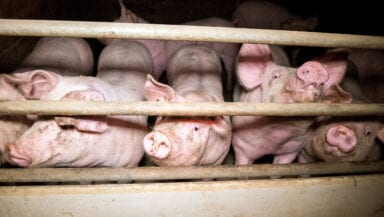
From climate change to forest fires to human rights abuses, the global industrial meat industry leaves a trail of destruction all over the world. Millions of people's lives depend on a dramatic reduction in the consumption of meat and dairy. And it's not just red meat that's the problem.
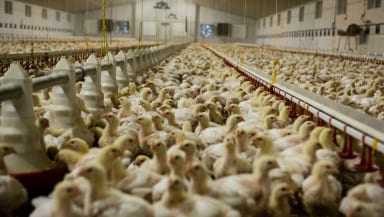
Eating chicken is thought to have less of an impact on the planet than eating beef. But the truth is chicken can also wreak havoc on the climate. Producing soya to feed the billions of chickens eaten every year around the world has led to forest clearance on an epic scale, accelerating climate change and pushing wildlife into extinction.
whitfieldfortiont.blogspot.com
Source: https://www.greenpeace.org.uk/news/how-much-meat-should-i-be-eating/
0 Response to "How Much Ground Beef Can a Human Safely Eat"
Post a Comment